
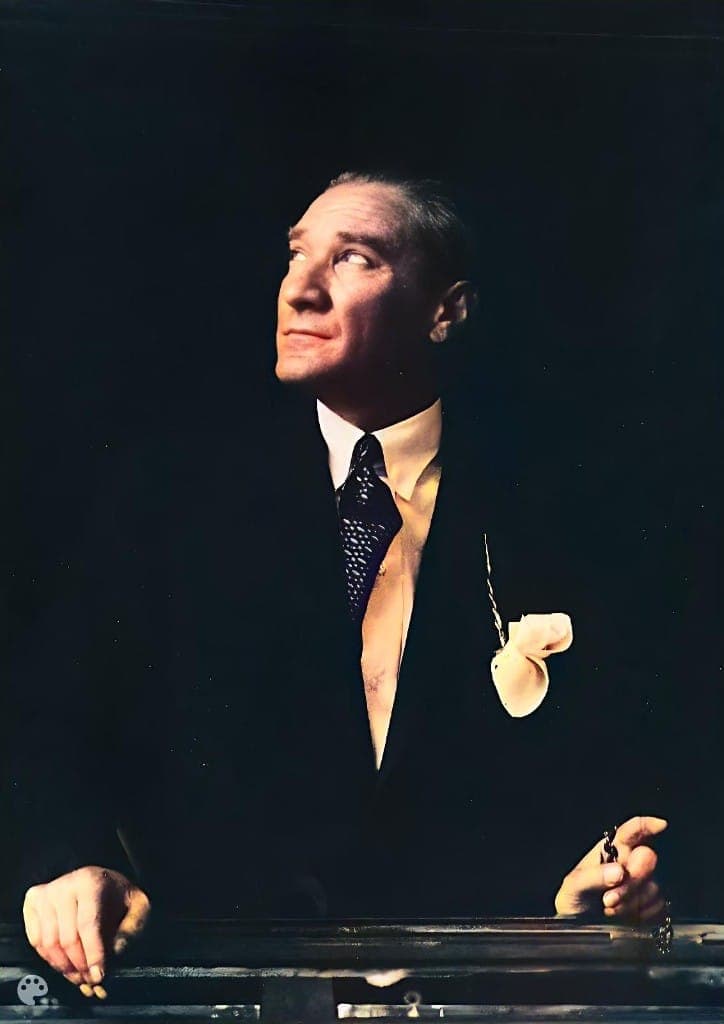
Atatürk
Mustafa Kemal Atatürk
The principles entrusted to us by Gazi Mustafa Kemal Atatürk, founder of our Republic, form the foundation of our training philosophy and institutional culture.
Gazi Mustafa Kemal Atatürk · Founder of the Republic of Turkey
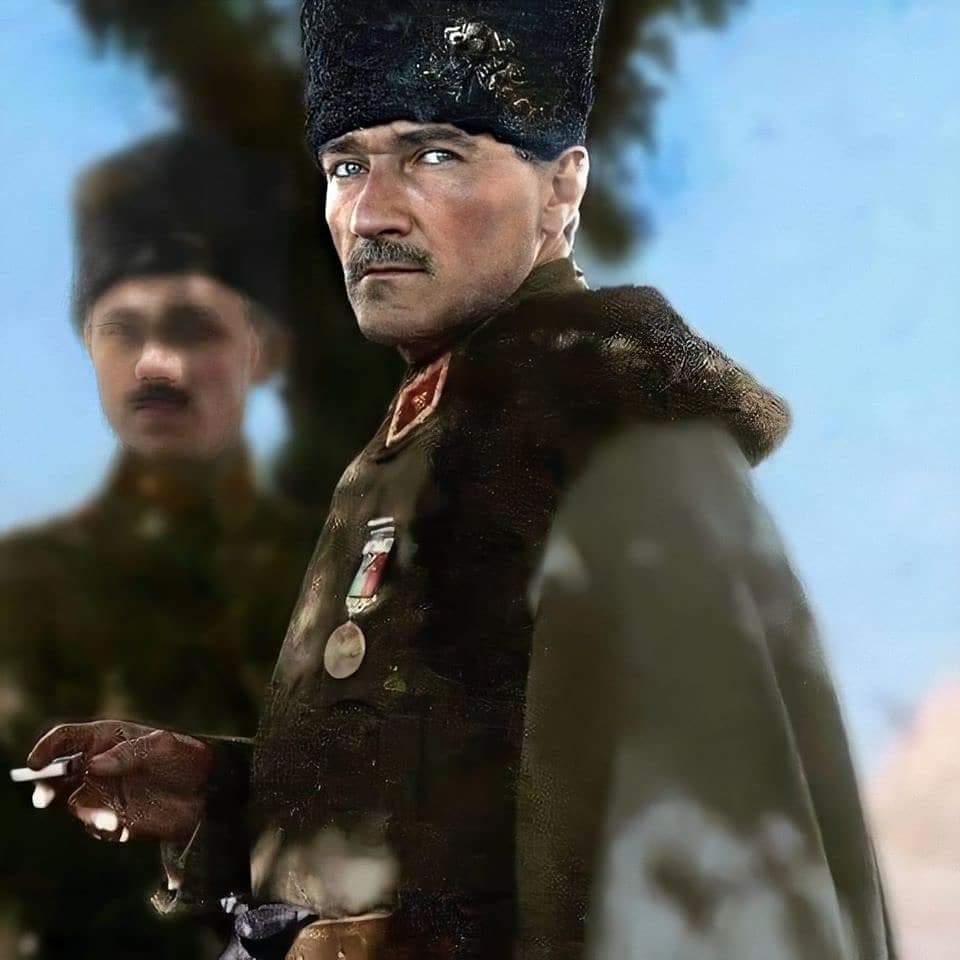
“The truest guide in life is science.”
Mustafa Kemal Atatürk
The six principles
Atatürk's principles and reforms
The six founding principles and the reforms carried out under each of them.
- 01
Republicanism
Holds that sovereignty belongs to the nation. The right and authority to govern the state rest with the people.
Reforms
- Opening of the Grand National Assembly
- Abolition of the sultanate
- Proclamation of the Republic
- Granting women the right to vote and stand for election
- Adoption of the 1921 and 1924 constitutions
- First attempts at a multi-party system
- 02
Nationalism
Ulusçuluk
Aims at national unity and solidarity within the country, and at national independence.
Reforms
- Founding of the Turkish Language Association
- Founding of the Turkish Historical Society
- Adoption of the Cabotage Act, reserving port operation rights
- Abolition of the capitulations
- 03
Populism
The principle that the people benefit equally from what the state provides.
Reforms
- Adoption of the Civil Code
- Granting women the right to vote and stand for election
- Abolition of the tithe tax
- Adoption of the Surname Act
- 04
Reformism
Devrimcilik
Aims to bring the country to a contemporary and modern structure.
Reforms
- Reforms in the social sphere
- Reforms in the political sphere
- Reforms in the economic sphere
- All reforms in culture and education
- 05
Secularism
The separation of religious and state affairs. It seeks to ground law in reason and science, and means freedom of conscience, worship and religion for every citizen. It equally requires tolerance towards other faiths and religions.
Reforms
- Abolition of the sultanate
- Abolition of the caliphate
- Adoption of the Civil Code
- Closure of the dervish lodges and shrines
- Closure of the medreses
- Adoption of the Act on the Unification of Education
- Enactment of the law on the organisation of national education
- Closure of the Ministry of Religious Affairs and Endowments
- Removal of the clause "the religion of the state is Islam" from the constitution
- 06
Statism
Development is pursued through cooperation between the state and the private sector. This is the economic principle.
Reforms
- Convening of the İzmir Economic Congress
- Preparation of the First Five-Year Development Plan
- Opening of factories, roads and hospitals
- Launch of heavy industry initiatives
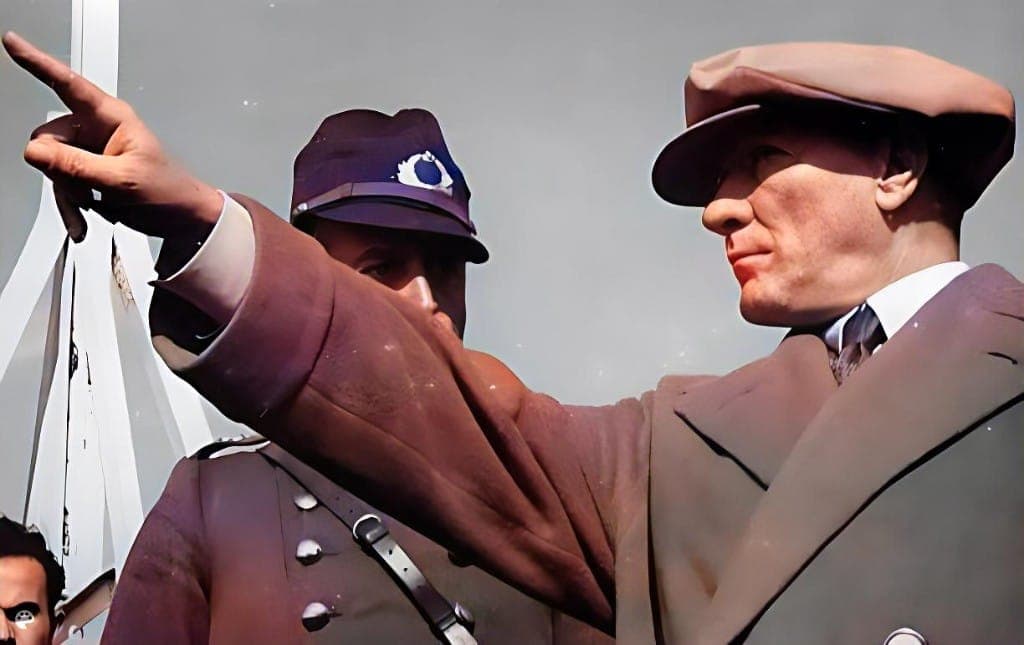
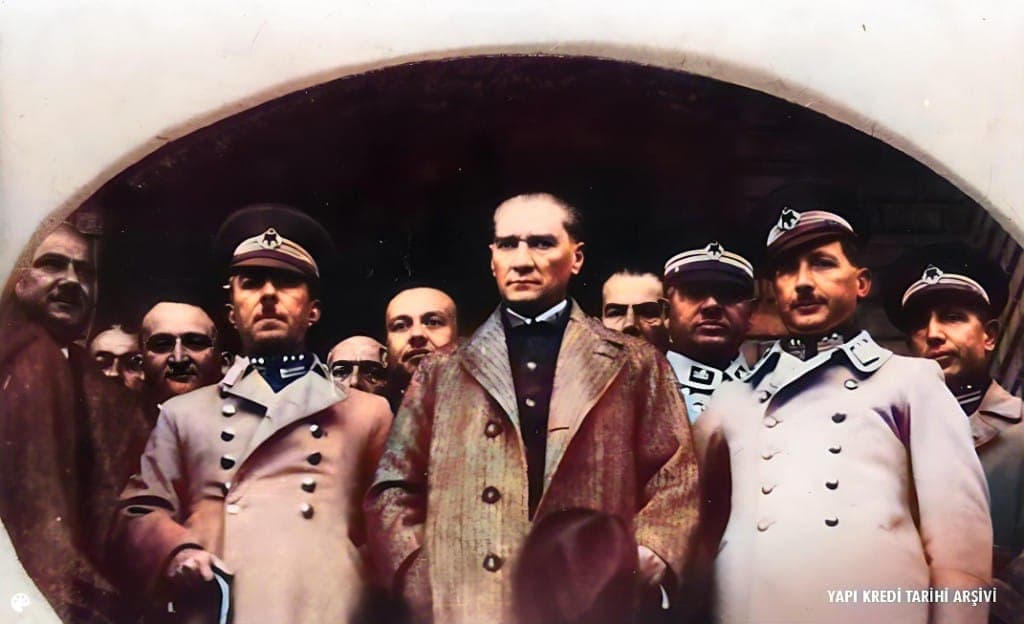
Constitution
The first four articles of the Constitution of Turkey
Under Article 4, the first three articles cannot be amended, nor can their amendment be proposed.
Article 1
The State of Turkey is a Republic.
Article 2
The Republic of Turkey is a democratic, secular and social state governed by rule of law, within the notions of public peace, national solidarity and justice, respecting human rights, loyal to the nationalism of Atatürk and based on the fundamental tenets set forth in the Preamble.
Article 3
The State of Turkey, with its territory and nation, is an indivisible entity. Its language is Turkish. Its flag, the form of which is prescribed by the relevant law, is composed of a white crescent and a star on a red background. Its national anthem is the "Independence March". Its capital is Ankara.
Article 4
The provision of Article 1 regarding the form of the State being a Republic, the characteristics of the Republic in Article 2, and the provisions of Article 3 shall not be amended, nor shall their amendment be proposed.
Türk Büyükleri
A tradition of statehood, from Mete Han to Atatürk
The Türk Büyükleri monument listing published by Denizli Büyükşehir Belediyesi traces the lineage of states marked by the sixteen stars on the Turkish presidential seal. The same figures appear below, oldest first, alongside the state each of them represents.
Mete Han
Asiatic Hun State
BC 209 – 174
Panu Han
Northern Hun State
26 – 83
Atilla
European Hun Empire
395 – 453
Akşuvar
Hephthalite State
402 – 470
Bumin Kağan
Göktürk Khaganate
? – 552
Bayan Kağan
Avar Khaganate
540 – 630
Hazar Kağan
Khazar Khaganate
?
Kutluk Kül Bilge Kağan
Uyghur Khaganate
682 – 747
Bilge Kül Kadir Han
Kara-Khanid State
893 – 955
Alptekin
Ghaznavid State
905 – 964
Selçuk Bey
Seljuk State
909 – 1009
Muhammed Harzemşah
Khwarazmian State
1097 – 1165
Baturhan
Golden Horde
1207 – 1255
Osman Bey
Ottoman State
1258 – 1326
Timur
Timurid Empire
1336 – 1405
Babür Şah
Mughal Empire
1483 – 1530
Mustafa Kemal Atatürk
Republic of Turkey
1881 – 1938
The Kül Tigin Monument that closes the listing is not a ruler but one of the Orkhon inscriptions, raised in 732 and among the oldest written records of the Turkish language.
* On the marked rows the dates follow the generally accepted historical record rather than the source listing.
Source: denizli.bel.tr
From the archive
Photographs
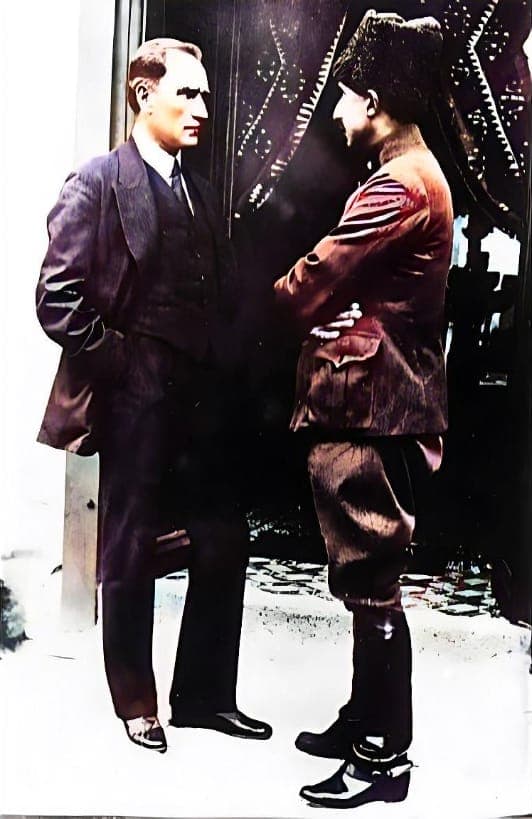
One hundred names
Great names of Turkish history
A series of one hundred figures — from leaders and scientists to mystics, artists and athletes — gathered here under six headings.
Great Leaders
- 1
Mustafa Kemal Atatürk
Founder of our Republic
- 2
Attila Han
The first conqueror of Europe
- 3
Bumin Kağan
Founder of the Göktürk state
- 4
Tomris Hatun
The world's first woman ruler
- 5
Bilge Kağan
The Turk who brought Asia to its knees
- 6
Oğuz Kağan
Forefather of the Turks
- 7
Alp Tegin
Cornerstone of Ghazna
- 8
Satuk Buğra Han
The first Muslim Turkic ruler
- 9
Çaka Bey
Architect of the Turkish navy
- 10
Mama Hatun
The woman who gave life to the Saltukids
- 11
Alparslan
Conqueror of Anatolia
- 12
Alaeddin Keykubat
Crown of the Seljuks
- 13
Ertuğrul Gazi
Father of the Ottomans
- 14
Osman Gazi
From seed to plane tree
- 15
Fatih Sultan Mehmed Han
The ruler who opened an age
- 16
Yavuz Sultan Selim
The first Turkish caliph
- 17
Kanuni Sultan Süleyman
The Magnificent
- 18
Abdülhamid Han
The great sovereign
- 19
Barbaros Hayreddin Paşa
Grand admiral of the seas
- 20
Turgut Reis
The captain who changed history
Folk Heroes of the National Struggle
- 21
Nene Hatun
Symbol of resistance
- 22
Seyit Onbaşı
Monument of Gallipoli
- 23
Kara Fatma
Emblem of the War of Independence
- 24
Sütçü İmam
The man who told the French to stop
- 25
Şerife Bacı
The army's ammunition
- 26
Halime Çavuş
The woman soldier who never felt the cold
- 27
Nezahat Onbaşı
The child fighter
- 28
Gördesli Makbule
Pride of the raiders
- 29
Çete Ayşe
The efe of all efes
- 30
Kılavuz Hatice
The woman of the compass
- 31
Tayyar Rahmiye
The soldiers' morale
Great Scientists
- 32
Biruni
Star of astronomy
- 33
Piri Reis
Master of the seas
- 34
Aziz Sancar
Our Nobel laureate
- 35
Ali Kuşçu
Closest friend of the stars
- 36
Uluğ Bey
Mathematical genius
- 37
Oktay Sinanoğlu
Champion of the Turkish language
- 38
Lagari Hasan Çelebi
The rocket man
- 39
El Cezeri
Pioneer of the robot
- 40
Hezarfen Ahmed Çelebi
The flying man
- 41
Fuat Sezgin
The man who brought Islam and science together
- 42
İbn-i Sina
Physician of physicians
- 43
Farabi
Pole star of philosophy
- 44
Cahit Arf
The sage who made mathematics loved
- 45
Kadızade-i Rumi
The man who lit the Middle Ages
- 46
Mirim Çelebi
The Ottomans' scientific authority
- 47
Takiyüddin
Founder of the Istanbul observatory
- 48
Katip Çelebi
A life devoted to science
- 49
Vecihi Hürkuş
The Republic's first aircraft designer
- 50
Kerim Erim
His business was mathematics
- 51
Hulusi Behçet
Father of dermatology
Great Men of the Heart
- 52
Mevlâna Celaleddin-i Rumi
“Come, whoever you are.”
- 53
Yunus Emre
“Knowledge is to know thyself.”
- 54
Ahmed Yesevi
Spiritual architect of Anatolia
- 55
Hacı Bektaş-ı Veli
Honesty is the door of friendship
- 56
Nasreddin Hoca
Philosopher of humour
- 57
Dede Korkut
The epic sage
- 58
Evliya Çelebi
The wise traveller
- 59
Akşemseddin
Spiritual conqueror of Istanbul
- 60
Ahi Evran
A light that spread across the world
- 61
Fuzuli
Poet of hearts
Great Writers and Poets
- 62
Necip Fazıl Kısakürek
The master poet
- 63
Ahmet Hamdi Tanpınar
The time regulation man
- 64
Kaşgarlı Mahmud
The first Turkic linguist
- 65
Mehmet Akif Ersoy
“Fear not, it shall not fade…”
- 66
Namık Kemal
“Homeland, or…”
- 67
Ömer Seyfettin
The national storyteller
- 68
Yaşar Kemal
Anatolia line by line
- 69
Nazım Hikmet
“This country is ours.”
- 70
Halide Edip Adıvar
The pen of the national struggle
- 71
Yakup Kadri Karaosmanoğlu
Writer of psychological analysis
- 72
Karacaoğlan
Bard of Anatolia
- 73
Cahit Sıtkı Tarancı
“Age thirty-five, half the road behind.”
- 74
Sabahattin Ali
A life like a novel
- 75
Cahit Zarifoğlu
The beautiful man
- 76
Cemil Meriç
A lone star in his own sky
- 77
Orhan Veli Kanık
The surrealist of Garip
- 78
Yahya Kemal Beyatlı
“We stand on the horizon of the evening of no return.”
- 79
Peyami Safa
Master of sociological analysis
- 80
Kemal Tahir
Man of the free cities
- 81
Oğuz Atay
The unforgettable pen
- 82
Ziya Gökalp
The golden light of sociology
- 83
Hasan Âli Yücel
Torch of culture
Great Artists and Athletes
- 84
Mimar Sinan
The man who wrote history in stone
- 85
Âşık Veysel
Bard of the black earth
- 86
Osman Hamdi Bey
The tortoise trainer
- 87
Ara Güler
His eye was unlike any other
- 88
Kani Karaca
He who saw without seeing
- 89
Neşet Ertaş
The plectrum of the steppe
- 90
Koca Yusuf
Champion of the world
- 91
Tozkoparan İskender
Patron of archers
- 92
Naim Süleymanoğlu
The man who lifted the world
- 93
Lefter Küçükandonyadis
The Ordinarius
- 94
Yaşar Doğu
Emblem of Turkish wrestling
- 95
Metin Oktay
The uncrowned king
- 96
Itri
Master of Turkish music
- 97
Dede Efendi
Composer of composers
- 98
İbrahim Çallı
The magic brush
- 99
Münir Nurettin Selçuk
Master of the notes
- 100
Erzurumlu Emrah
The plaintive voice of the people
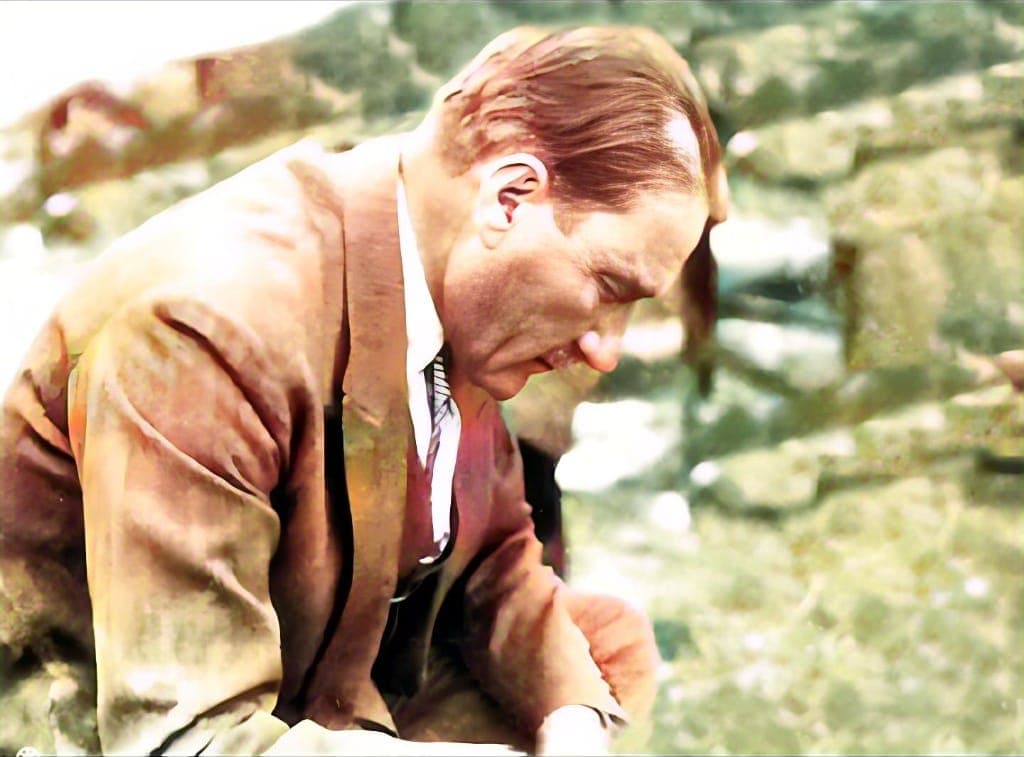
“Sovereignty belongs unconditionally to the nation.”
Grand National Assembly of Turkey, 1920